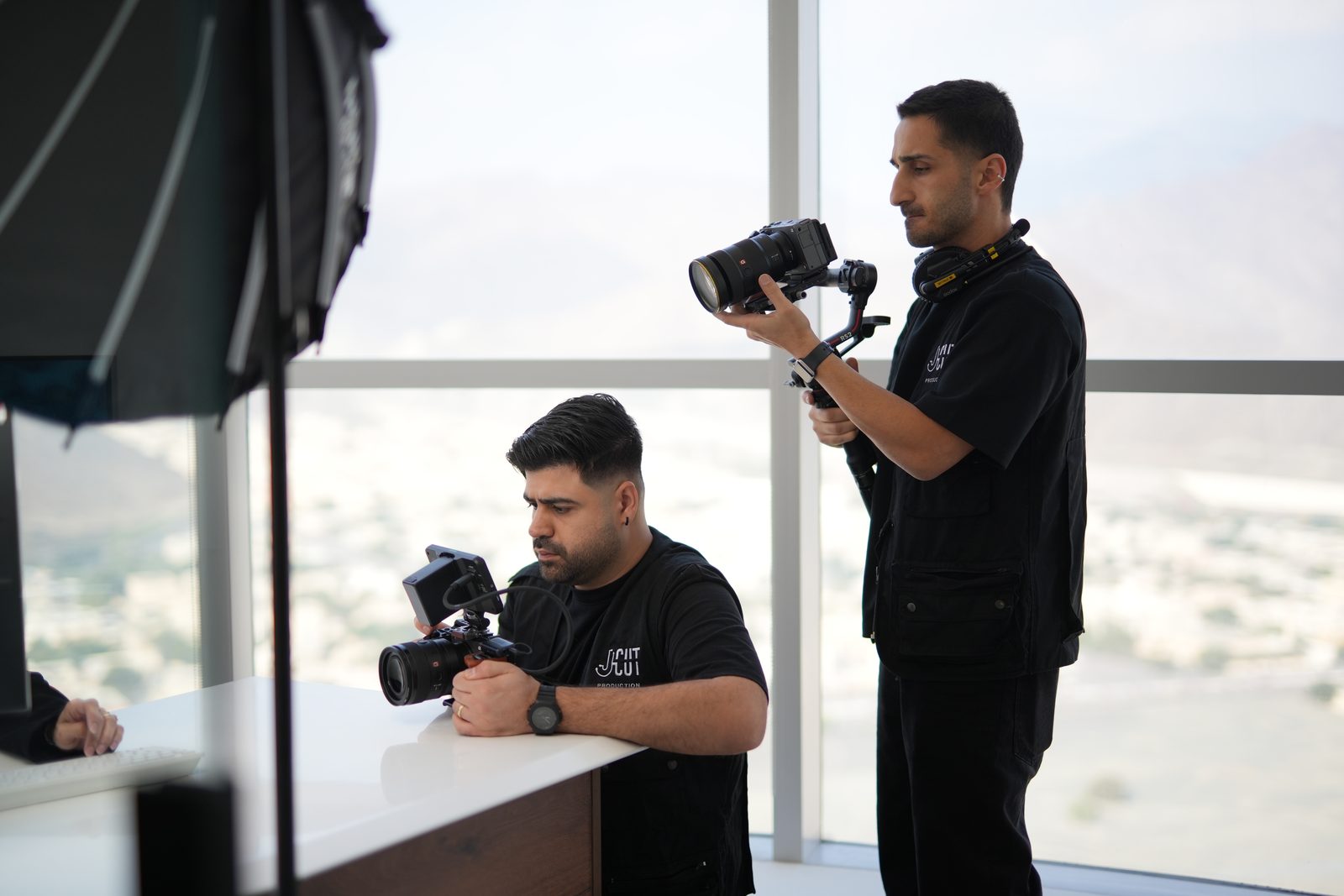
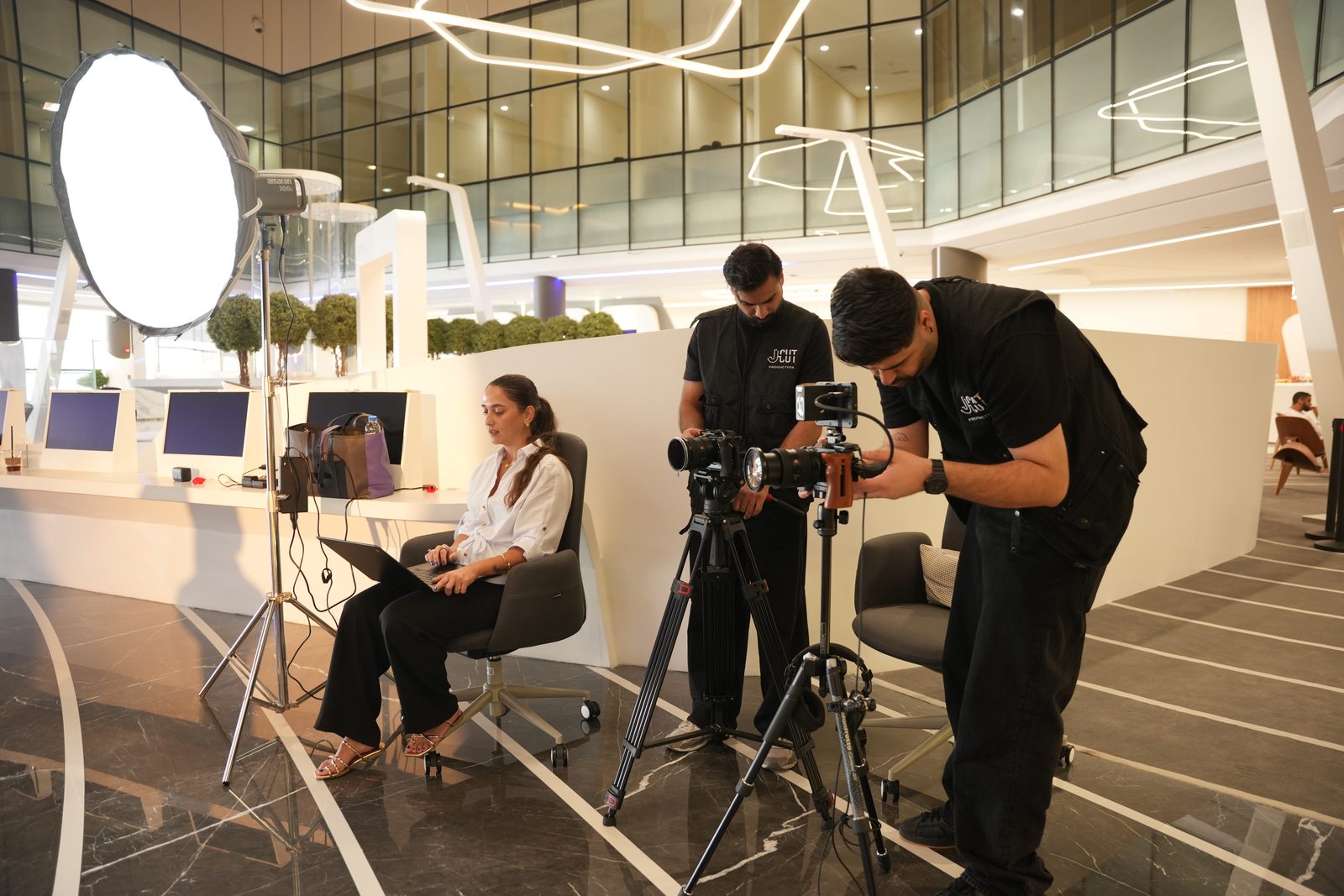
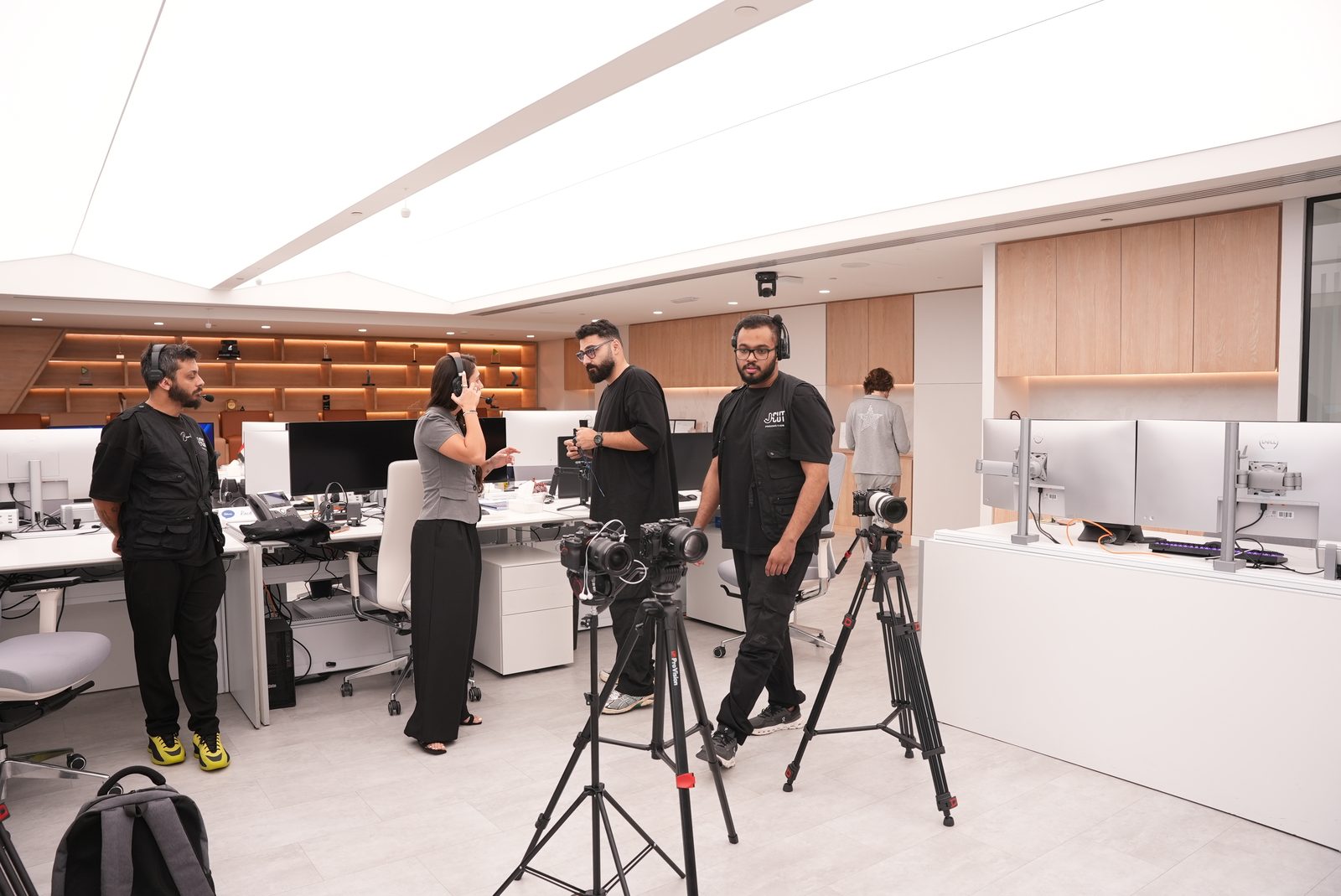
How many edited photos does one shoot day deliver? Usually 20 to 40
On a full day with J-Cut: 20 to 40 finished images for a corporate shoot, 20 to 35 for styled interiors and 50 to 100 for an event. Why the count depends on set-ups, light and moments, and why it belongs in the brief.
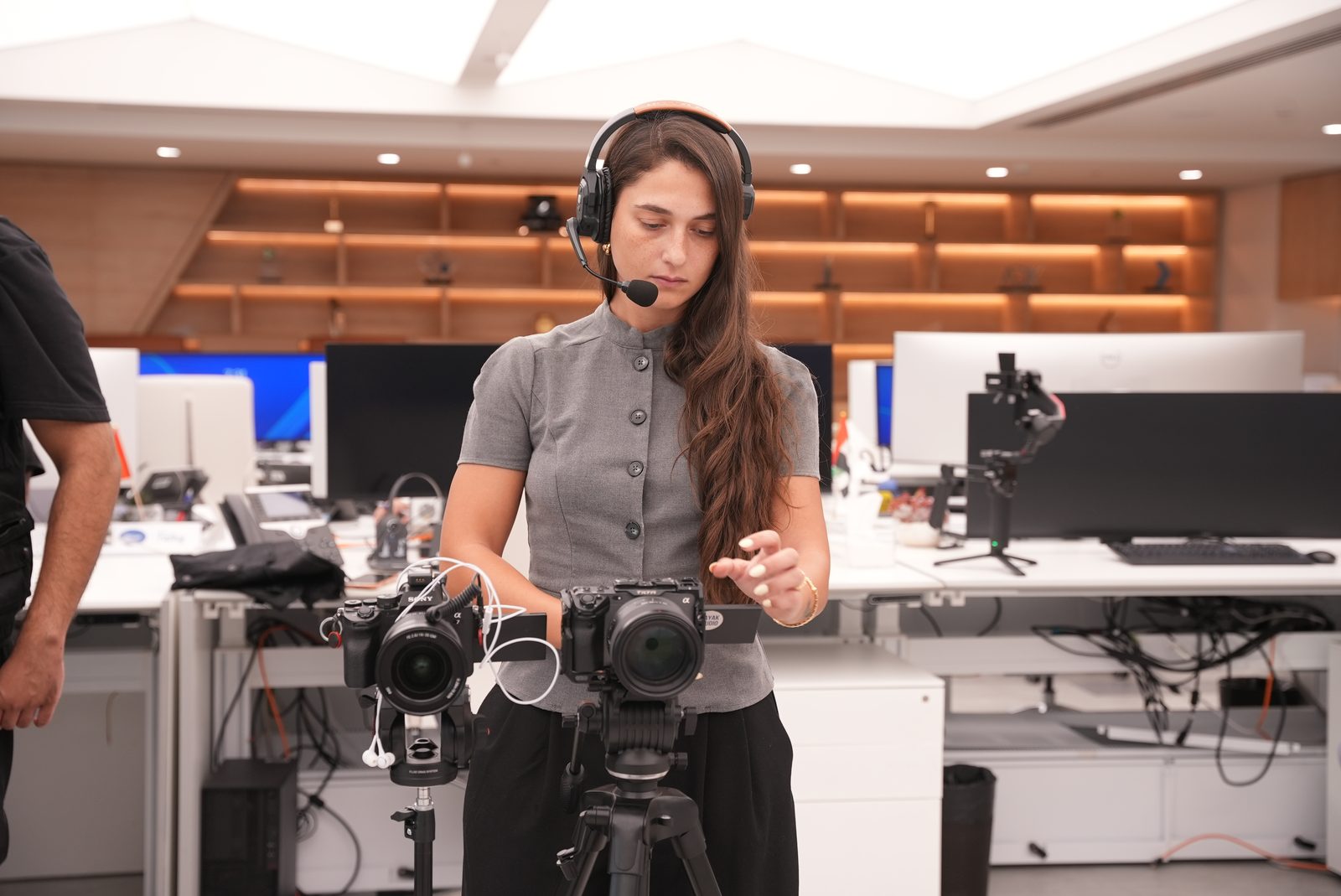
Frames are not finished images
The question usually arrives as how many photos will we get, and it hides two different numbers. One is the number of frames captured, which can run into the hundreds or thousands and tells you very little. The other is the number of finished images: selected, retouched and exported. That second number is the one that matters, because it is what you will actually use, and it is what the post-production time is built around. Every useful conversation about a photography day starts by agreeing which number we are talking about. For the wider context of commissioning a shoot, see our guide to corporate photography in Dubai.
What one full day usually delivers
As a planning guide, here is what a full shoot day with J-Cut usually delivers. A corporate shoot, covering branding, the office and the team: 20 to 40 finished images. Styled interiors or a luxury villa: 20 to 35. Event coverage: 50 to 100 edited photos, with the full set delivered in two to three days. These are finished images, selected and retouched, not frames captured. Where a brief lands inside each range depends on the number of set-ups and on detailed retouching, which takes more time per image. We confirm the final count in the quote, and our page on what corporate photography costs in Dubai explains how that count shapes the price.
Set-ups decide the day, not hours
What limits a shoot day is the number of set-ups, not the number of hours. A set-up is every time the space, the lighting or the subject changes. Moving from the reception to the boardroom is a set-up. Relighting a product for a different angle is a set-up. Each one takes time to light, test and shoot properly, and that time is the same whether it produces one hero image or five variations. So a shot list with many spaces and few images per space fills a day faster than one with few spaces and many images in each. When you count what you need, count the spaces and changes as well as the images.
A real example: thirty images, twelve hours
A restaurant interiors brief we quoted shows how this works. The shot list asked for thirty finished images across six zones: the exterior and arrival in daylight and again at golden hour, a terrace marked as the priority with sunset and evening ambience, the bar with a bartender at work, the main dining room, the lounge and a private dining room. The creative direction asked for details and fragments rather than wide rooms, with lamps in frame doing the lighting. On paper that is thirty pictures. In practice the exteriors and the terrace depend on light that only exists at specific times of day, so the honest schedule was twelve hours on site, quoted as an eight-hour day plus four extra hours on their own line. Squeezing it into eight hours would have meant losing golden hour and the evening, which were the images the client cared about most.
Light you cannot move
Daylight interiors, golden hour exteriors and evening ambience each happen once a day and do not wait for a schedule that has slipped. If your shot list depends on any of them, build the day around those windows and fit the controllable work, such as details, products and indoor portraits, into the gaps. This is also where most overruns come from. A shoot planned without the light windows marked usually ends with the most important image squeezed into the last ten minutes.
Events: count moments, not frames
Event photography works differently, because the moments set the pace. What decides whether it goes well is knowing those moments in advance: a run sheet naming the keynote, the award handover, the guest of honour and the group shot. A photographer working from a list of moments delivers a complete set. A photographer guessing what matters to you delivers a lot of frames and misses the one you needed. Agree the format before the day too, including how many finished images you want and whether you need a quick selection for social posting while the event is still running. If the event also needs video, see our event videography service, which plans both around the same run sheet.
Retouching sets the delivery date
Once the shoot is done, the image count drives the timeline. Each finished image goes through selection and a retouching pass covering colour, cleaning, reflections, perspective and exports for print and web. More images means more of that work, so agree both the number and the delivery date in the quote. For events, the full edited set is delivered in two to three days. If you need a small set urgently for a press release or a post, say so up front so it can be planned ahead of the full delivery rather than requested afterwards. The same principle runs through our post-production work: the finish is planned before the shoot, not discovered after it.
Work out your own number
Start from use, not from a round number. List where the images will go: website pages, a company profile, a tender document, social posts for the next few months, a print brochure. Count how many each one genuinely needs, then group them by space or moment and mark any that depend on a particular time of day. That list is your shot list, and it tells you and any photographer whether the job is a half day, a full day or a day with extra hours. It also makes the quote easy to compare, because the number of finished images is the clearest line in what corporate photography costs in Dubai.
Next step
Before the shoot itself, read what to prepare before a corporate photoshoot, because access, people and props decide whether the day runs to plan. When your list is ready, send it through our contact page and we will tell you honestly how many hours it needs.