What to prepare before a corporate photoshoot in Dubai
The shot list, permission to photograph, the people in frame, props and styling, and the space itself. What to arrange before a corporate photoshoot in Dubai so the day runs to plan.
Most problems are arranged, or not, before the day
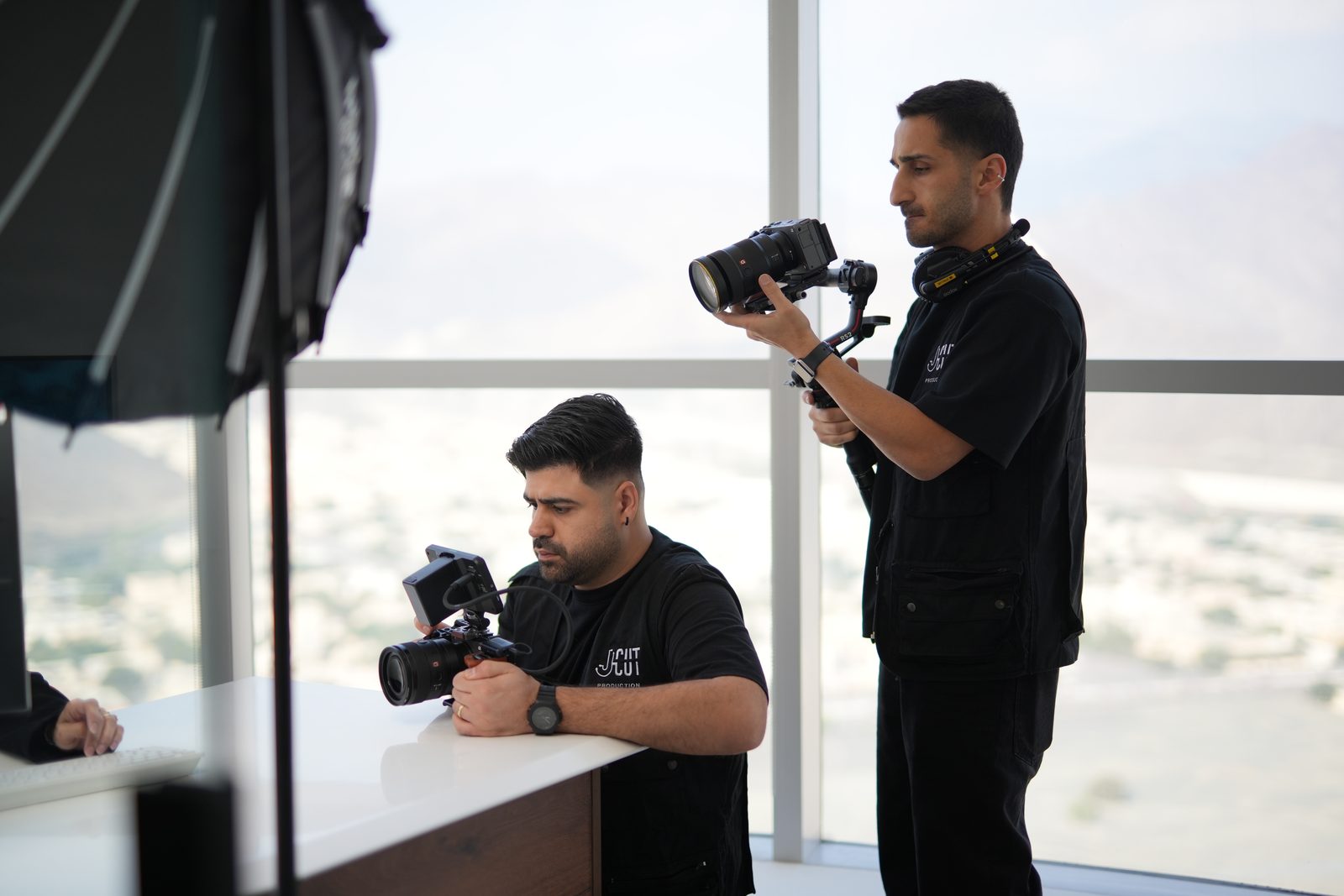
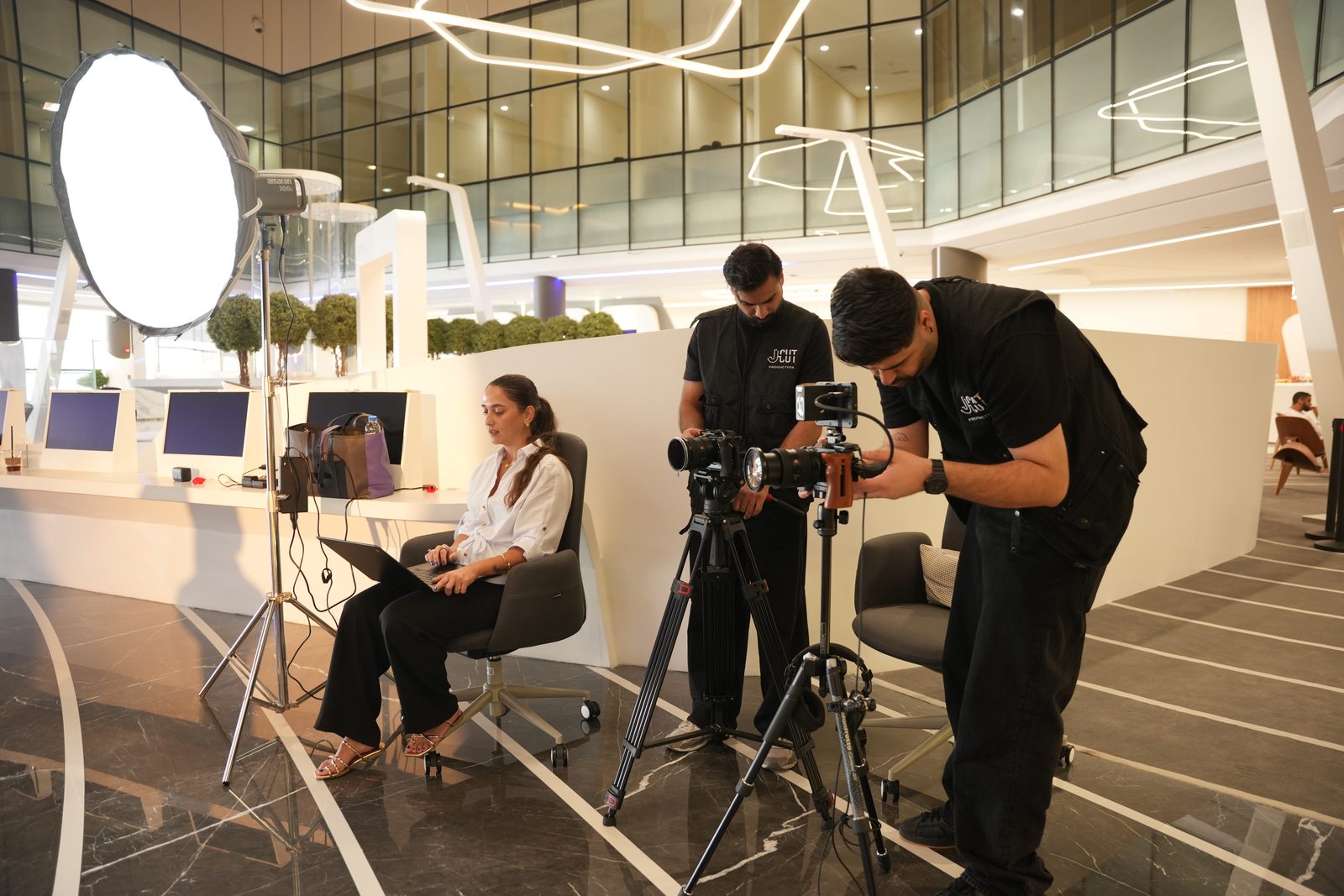
When a corporate shoot goes wrong, it is rarely the camera. It is a room that was not cleared, a manager who was not told, a person who was not free, or a prop nobody brought. All of those are settled before the crew arrives, which is why the preparation matters as much as the photography. This page is the checklist we wish every client had before the call. For the bigger picture, start with our guide to corporate photography in Dubai.
What goes wrong on our shoots
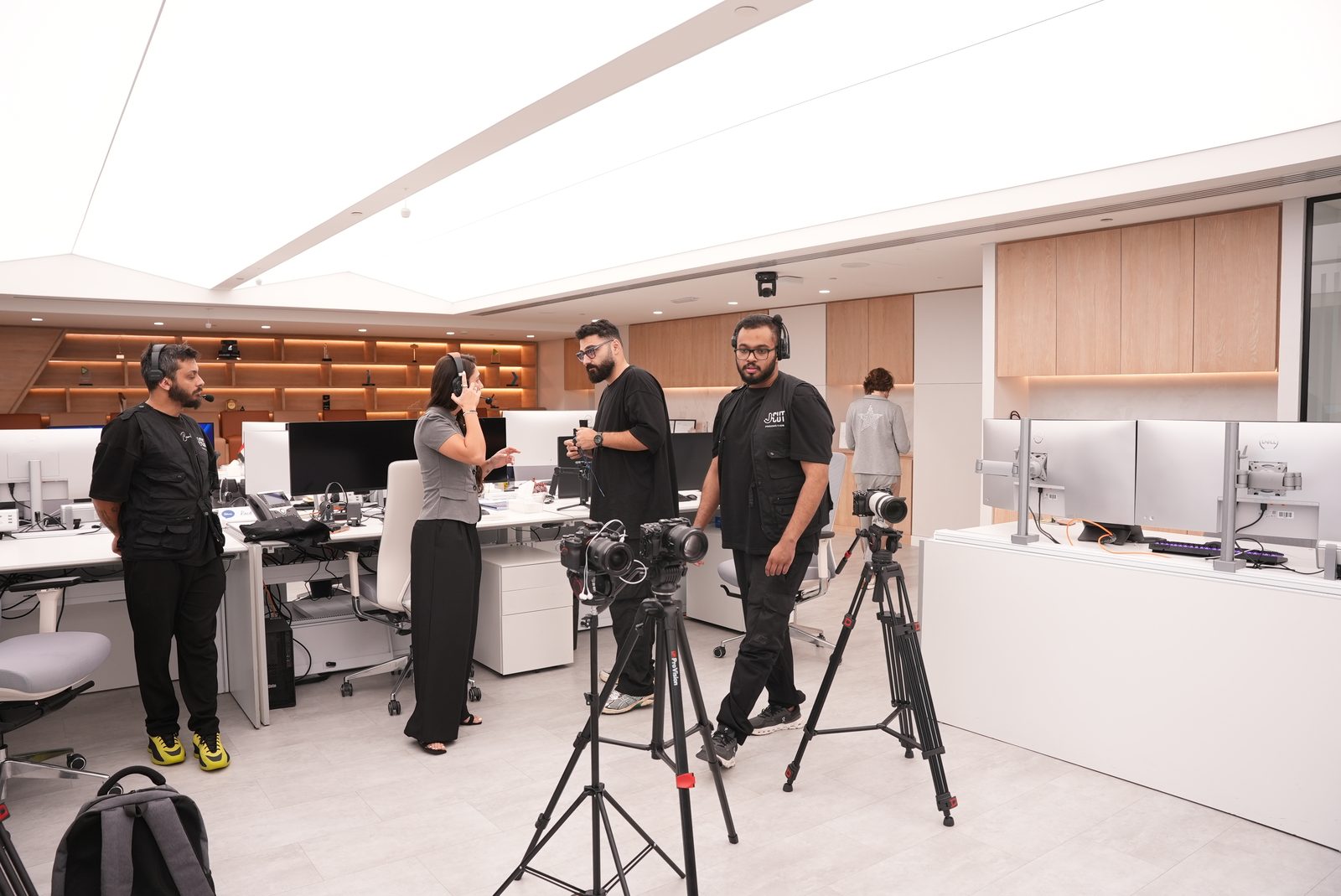
When we look back at the corporate shoots that lost time, the cause is almost always one of two things. The first is people. The person the shot list was built around is in a meeting, on leave or never told, and the crew waits. The second is permission. We arrive, set up, and someone from security or management tells us an area cannot be photographed. Neither problem has anything to do with the camera, and both are solved before the day. That is why the single thing we ask every client to do the day before is simple: tell your team the shoot is happening. People dress for it, keep the time free, and the managers who could stop an area know it is coming.
A written shot list
Write down every image you need, grouped by space or moment, with a line on what each one is for. Mark the hero images, so that if anything runs short on the day the important frames are protected. Mark anything that depends on a time of day, such as daylight interiors, golden hour exteriors or an evening atmosphere. That list sets the schedule, the crew and the hours, and it is the single most useful document you can send. If you are unsure how many images a day can hold, read how many edited photos one shoot day can deliver.
Permission to photograph is not permission to be on site
This is the one that catches companies out most often. Approval for a crew to be in your building or on your site is not the same as approval to photograph everything there. Confidential equipment, other clients' products, screens and documents, and people's faces can each need their own sign-off. On industrial and operational sites there is often a safety induction and protective equipment to arrange as well, and a crew cannot start until both are done. Find out who approves photography of each area, get it in writing, and book the induction slot and size the protective equipment before the day.
The people in frame
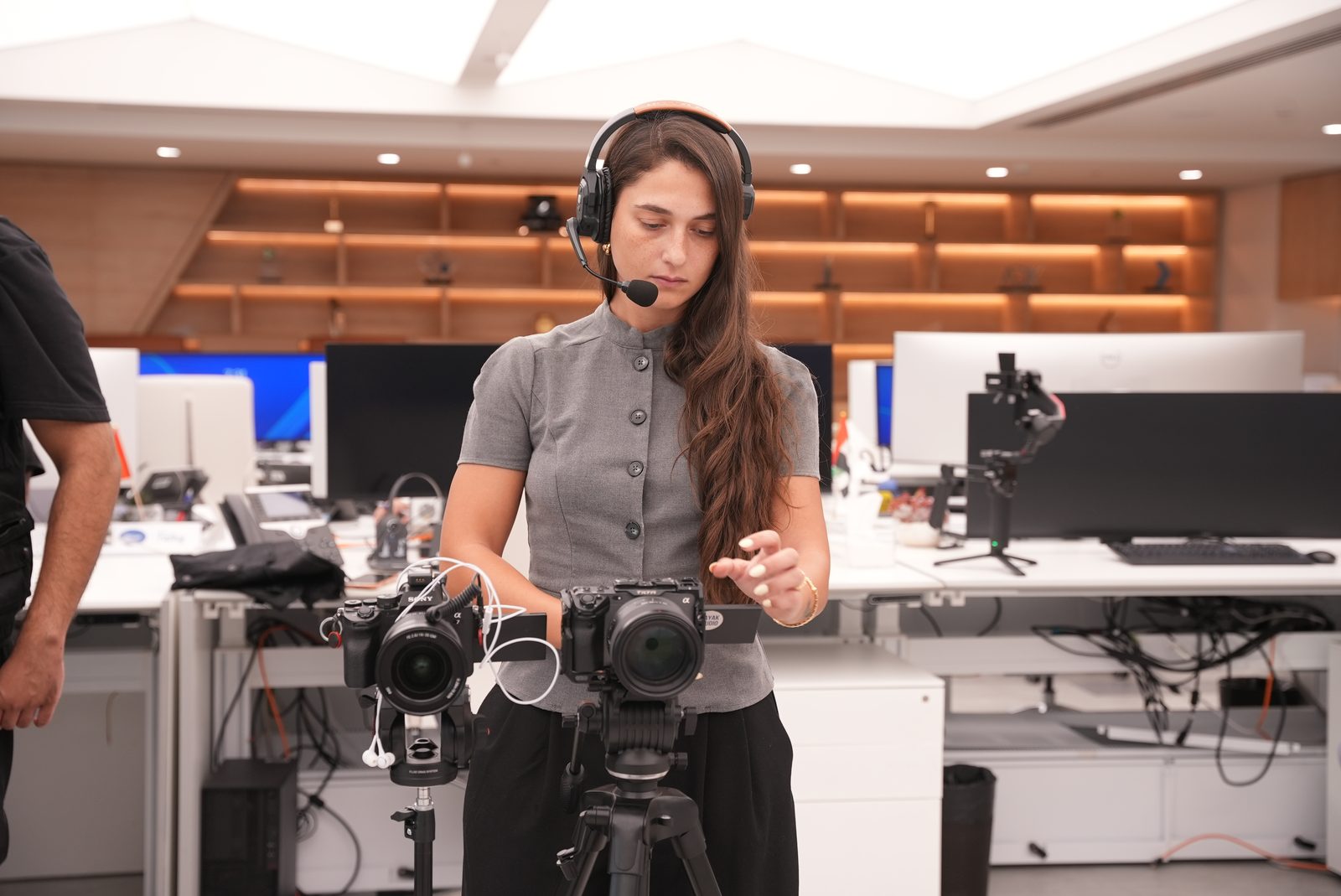
If the shot list has people in it, decide who they are before the day. Your own staff are often the right choice for workplace and brand imagery, but they need to know they are being photographed, agree to it, and be free at the scheduled time rather than pulled out of a meeting. If you need models or talent, that is a separate line and needs casting in advance. For portraits of a team or leadership group, a fixed slot early in the day works best, before schedules slip. And if your shoot includes a bartender, a receptionist or anyone at work, confirm whether that person is staff or someone you need to book. Some people hate the camera, and that is normal. We start them with easy shots first, so they relax before the pictures that matter, and we show them the screen, because once someone sees they look good, they trust the process.
Props and styling
Props, florals, linen, tableware and any rentals for styling are supplied by the client. A stylist or set dresser on the day works with what is on site and arranges it for the camera, but does not source or buy it. So if the shot list needs fresh flowers on the reception desk, plated dishes on the table or branded items in frame, they need to be ordered, delivered and ready at call time. Food and drink for hero shots is worth planning separately, because it needs to be prepared at the right moment rather than left to wait.
The space itself
A space that is in use is hard to photograph well. Decide whether the area will be closed for the shoot or worked around normal operations, and tell the people who use it. Clean and clear it on the morning of the shoot rather than the day before. Check signage and branding are current, screens show what you want them to show, and anything you would not want in a public image is removed. If the shoot runs into the evening for atmosphere, make sure the lighting you want in frame, such as lamps and practicals, is working and on.
Public locations, drones and permits
If any of the shot list is outside your own property, check whether a permit applies. Our Dubai filming permit guide explains how that works and how much lead time to allow. Aerial stills come from a drone flight and need the same approvals as aerial video, so request them with drone videography in the original brief rather than as an extra on the day. Permits are billed separately from the photography, and what corporate photography costs in Dubai sets out the other separate lines.
Usage, formats and the five-minute checklist
Finally, decide where the images will be used and who needs to approve them. Website, print, social and paid advertising each want different crops and formats, and usage can affect the quote, so settle it now. Our article on usage rights in the UAE covers the questions to ask. Then run the checklist: shot list written and heroes marked; photography approved for each area; induction and protective equipment booked if needed; people confirmed and scheduled; props, florals and food ordered; space cleaned, closed or scheduled; permits applied for; usage agreed. When those boxes are ticked, send the brief through our contact page and the day will run to plan. If the same day needs video, our event videography and corporate video teams plan both together.